

U.S. Added 177,000 Jobs Last Month, But Trump’s Tariffs Make Things Worse
Jobs are still growing in the U.S., even as businesses try to navigate rising costs from tariffs. In April, the country added 177,000 jobs, more than expected, but fewer than the month before. The numbers, released by the Bureau of Labor Statistics on Friday, show a mixed picture of an economy feeling the weight of trade tensions.
That is still a win on paper. Forecasters had predicted only 133,000 new jobs. But it is a slowdown compared to March’s revised 185,000. The unemployment rate held steady at 4.2%. It is a solid figure, but it masks deeper issues popping up under the surface.
Transportation Surges While Government Jobs Shrink
One of the biggest gains came in transportation and warehousing. That sector added 29,000 jobs as companies rushed to move goods before tariffs made everything more expensive. There was a rush to stock up, and that led to more hiring, at least for now.

Ono / Pexels / Meanwhile, the federal government shrank again. Another 9,000 jobs disappeared in April, bringing the total cuts this year to 26,000.
It is part of a bigger push led by Elon Musk’s Department of Government Efficiency to slim down agencies across the board.
Weak Wage Growth Signals Underlying Strain
But here’s the catch: even with the job gains, other warning signs are flashing. Wages only ticked up by 0.17% in April. That is slower than expected, and it means workers are not feeling much of a raise in their paychecks. And the share of people unemployed for more than 27 weeks jumped back to its pandemic-era peak of 23.5%.
That number matters. Long-term unemployment drains savings, raises stress, and weighs on the economy. The typical unemployed worker is now out of work for over 10 weeks. This is yet another sign that things are not moving as fast as they should.
Wall Street Shrugs, But the Fed Stays Put
After the report came out, stocks climbed a little. Investors liked that the job market wasn’t crashing. But they also backed off bets that the Federal Reserve will cut interest rates soon. The economy is not in crisis. But it is NOT in cruise control either.
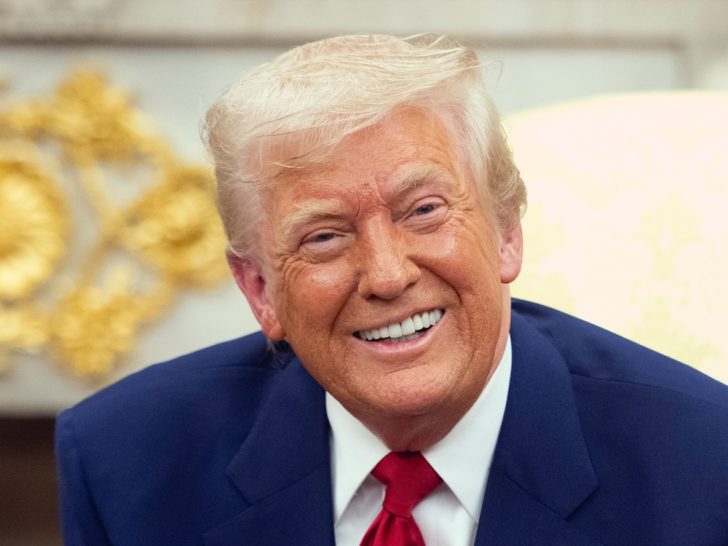
Trump / IG / President Trump didn’t waste time reacting. He posted on Truth Social, calling again for lower interest rates and insisting the economy is just “getting started.”
He has been pushing the Fed to cut rates as part of his broader push for cheaper prices and faster growth.
But the full impact of tariffs hasn’t hit yet, industry watchdogs say. Shipping has slowed at key ports, and some of the trade slowdown is just now starting to show up in the data. If that continues, the job market could take a harder hit in the months ahead.
Tech Rises While Other Sectors Stall
Despite all this, Wall Street has shaken off much of April’s drama. The S&P 500 is back to where it was before Trump launched his “Liberation Day” tariffs a month ago. That doesn’t mean investors are relaxed. It just means they have priced in some of the chaos.
Tech giants like Microsoft are still thriving. Its stock has jumped nearly 20% this past month, fueled by strong demand for artificial intelligence and cloud services. That boom has helped offset some of the drag from other sectors.
Companies are still announcing plans to grow. Kimberly-Clark, for example, just revealed a $2 billion investment that could create 900 new jobs. Other big names like Hyundai, Nvidia, and Toyota have made similar moves, and Trump has pointed to those as proof that the economy is strong.





You must be logged in to post a comment Login