

Here’s How You Can Qualify for the New $25K Tip Deduction on 2025 Taxes
The new $25,000 tip deduction is now law, and it could lower your 2025 tax bill in a big way. This provision, often called the no-tax-on-tips rule, is part of the One Big Beautiful Bill signed in July 2025. It allows eligible workers to deduct up to $25,000 in qualified tips from their federal taxable income for tax years 2025 through 2028.
That means less income subject to federal income tax, which can translate into real savings. However, not everyone who earns tips will qualify. You must meet clear rules regarding your job, income, and how you report your tips.
You Must Work in a Job That Traditionally Receives Tips

Karola / Pexels / The first requirement is tied to your occupation. You must work in a job that customarily and regularly receives tips before December 31, 2024.
This rule prevents brand-new industries from claiming the benefit unless tipping was already standard in that line of work.
The Treasury Department released a broad list of qualifying occupations. It includes bartenders, wait staff, food servers, gambling dealers, DJs, entertainers, drivers, maids, babysitters, electricians, plumbers, and even content creators. The key factor is that customers commonly tip for that service, and that practice existed before the end of 2024.
At the same time, certain workers are excluded. If you work in a specified service trade or business, such as health care, legal services, financial services, or some performing arts roles, you generally cannot claim this deduction. Lawmakers carved out these industries to limit the scope of the tax break.
If you are unsure whether your job qualifies, ask yourself a simple question. Were tips a normal and expected part of your income before 2025. If the answer is yes and it is common in your field, you are likely within the qualifying group.
Only Certain Tips Count as Qualified Tips
Not every extra dollar you receive will count. The law defines qualified tips as voluntary payments made by customers. If a restaurant adds an automatic service charge to a bill, that amount does not qualify because it is mandatory.
Cash tips qualify, and so do tips left on credit or debit cards. Tips received through a tip-sharing or tip-pooling arrangement also qualify, as long as they are properly reported. The core rule is simple: the customer must choose to give the tip freely.
For employees, qualified tips must be reported to your employer. These amounts will show up on your Form W-2, usually in Box 7 for Social Security tips. If you failed to report some tips during the year and later file Form 4137 to report them, those reported amounts can still count toward the deduction.
Self-employed workers and independent contractors can also qualify. If you receive tips and report them on Form 1099 NEC, Form 1099 MISC, or Form 1099 K, those tips may be eligible. However, the deduction cannot exceed the net profit from the business where the tips were earned.
Income Limits Can Shrink or Eliminate the Deduction
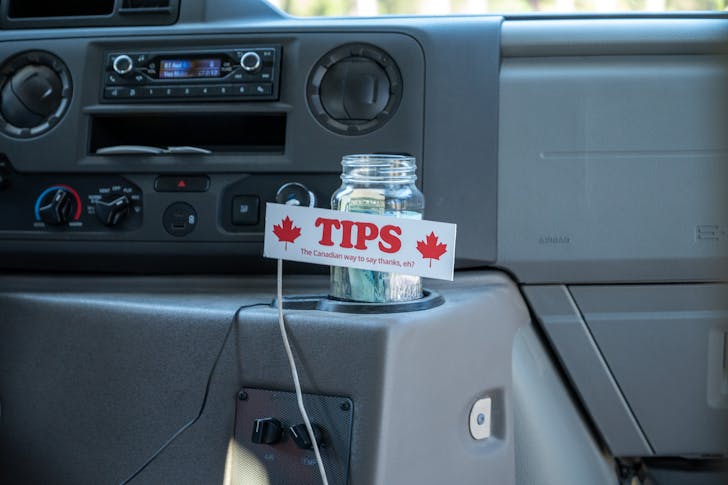
Elo / Pexels / The good news is that you can claim the deduction even if you take the standard deduction.
For single filers, the phase-out begins at $150,000. For married couples filing jointly, the phase-out starts at $300,000. If your income rises above those levels, the available deduction gradually decreases until it disappears.
Married individuals who file separately cannot claim the deduction at all. You must also have a valid Social Security number to qualify. These rules aim to target the benefit toward low and middle-income workers who rely heavily on tips.
The good news is that you can claim the deduction even if you take the standard deduction. You do not need to itemize your deductions to benefit. This makes the provision accessible to many workers who do not normally itemize.





You must be logged in to post a comment Login