
U.S. Seizure of Tankers Sounds Death Knell for Russian ‘Shadow Fleet’
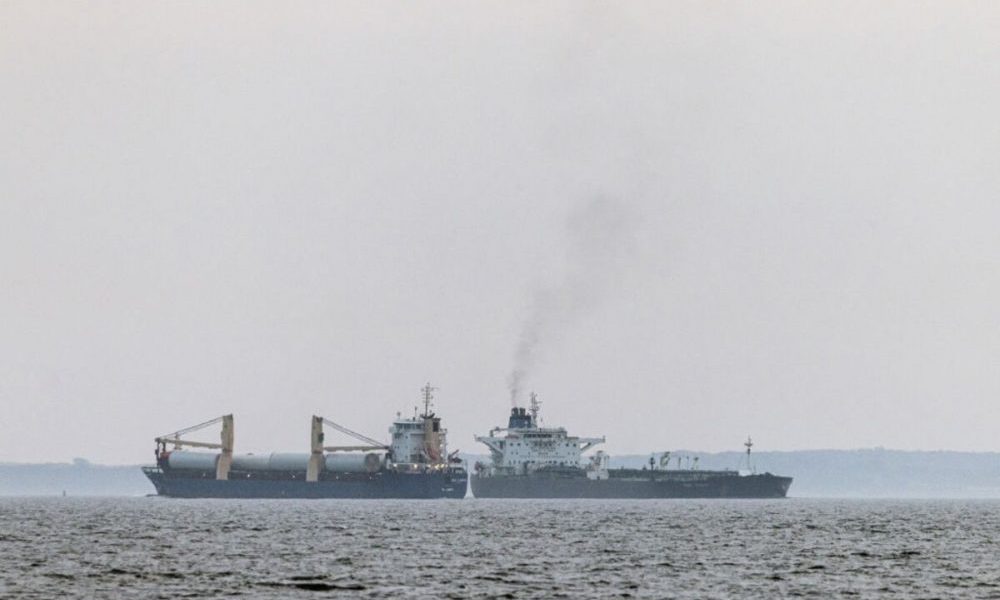
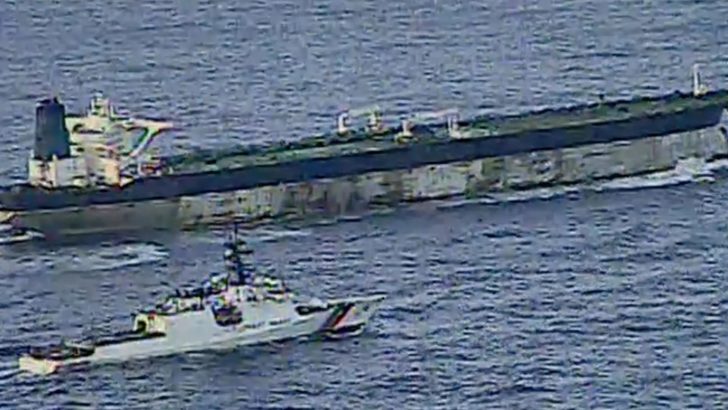
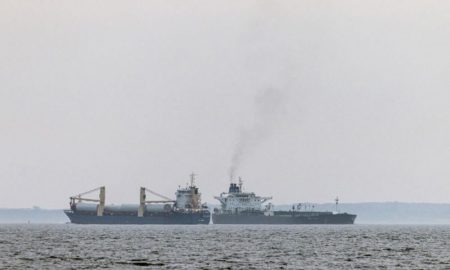
In recent weeks, the United States seized at least five oil tankers tied to sanction-busting routes. The most talked about case involved the Bella 1, later renamed Marinera, chased across the Atlantic for nearly three weeks before U.S. forces boarded it in the North Atlantic.
The operation was anything but symbolic in and of itself. Navy SEALs were involved, Army aircraft backed them up, and the United Kingdom helped track the ship.
Days later, U.S. forces seized another tanker, the Olina, in the Caribbean. That made five vessels in a short span. The message was clear and intentional. These ships are no longer ghosts. They are targets, and the net is tightening fast.
The tankers all followed the same playbook. Fake flags. Shady paperwork. Insurance that barely exists. Constant name changes. Ship-to-ship transfers in open water. The Bella 1 checked every box. It had hauled oil for Russia, Iran, and Venezuela, hopped between identities, and kept its ownership buried behind shell companies. Maritime experts had flagged it for years.
The Olina ran the same scam, even flying a false registration from Timor-Leste. Under international maritime law, a ship using fake flags can be treated as stateless. That opens the door for boarding and seizure. Washington leaned hard on that rule, and it worked.
Why Washington Is Turning Up the Heat Now?
GTN / This campaign ties directly to a broader push against sanctioned oil flows, especially from Venezuela. President Donald Trump has openly called for a “total blockade” of oil tankers tied to Caracas.
After the capture of Nicolás Maduro, enforcement shifted from talk to action. The tankers moving oil in and out of Venezuelan waters became fair game.
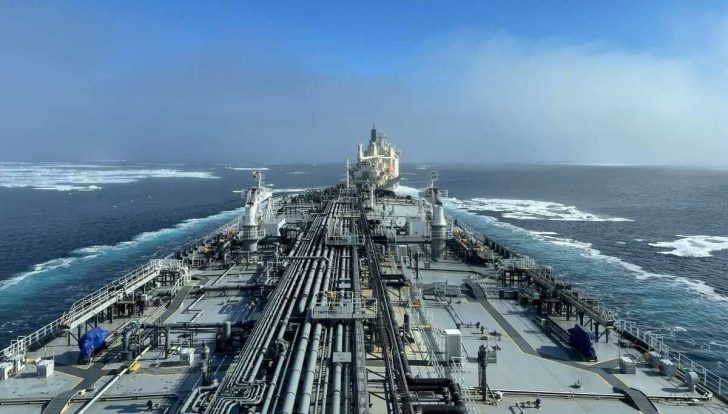
But Venezuela is only part of the picture. The real prize is the logistics web that keeps sanctioned oil moving worldwide. Russia, Iran, and Venezuela all depend on the same floating junkyard of aging tankers. Seizing one ship sends a signal. Seizing five sends fear through the entire network.
The Marinera seizure was especially pointed. The ship had rushed to reflag under Russia just before it was taken. Many shadow fleet operators believe a Russian flag offers protection. Washington shattered that illusion. The U.S. boarded it anyway, empty cargo or not. The goal was not the oil. It was the warning.
Analysts say this move was designed to kill a growing trend. Shadow fleet ships have been racing to Moscow’s registry, hoping it would shield them from enforcement. The U.S. response was blunt. A Russian flag does not make you untouchable. If anything, it puts you higher on the list.
Pressure Builds on Russia’s War Economy
E New / Russia relies on fear free shipping to move oil at scale. Its shadow fleet now includes more than 400 aging vessels bought secondhand and run on thin margins.
These ships carry discounted crude to buyers like India, China, and Turkey.
In November 2024 alone, 173 shadow fleet tankers left Russian ports. That oil funds a large share of Moscow’s war spending. Ukrainian President Volodymyr Zelenskyy has said outright that these tankers bankroll the war effort. Disrupt the fleet, and you squeeze the cash flow.
Russia’s response has been telling. Official protests have been loud, calling the seizures piracy and illegal. But beyond words, Moscow has stayed restrained. With peace talks over Ukraine in a fragile state, Russia seems unwilling to provoke a direct confrontation at sea. That hesitation limits its options to protect these vessels.
The pressure lands on an economy already stretched thin. Russia has rebuilt itself around war spending, but the cracks are visible. Growth is slowing. Interest rates are high. Workers are scarce. Household incomes are falling. Oil and gas once made up half of state revenue. Now it is closer to a quarter, still vital, still vulnerable.



You must be logged in to post a comment Login